Relocating for a role at Amazon or Microsoft often starts with excitement and quickly turns into a series of decisions that feel more complex than expected. Where you live affects far more than your commute. It shapes your daily routine, your finances, and how comfortable the move feels over the long term.
Bellevue is often at the top of the list for tech professionals. But what looks good on a map does not always translate into an easy lifestyle or a smart long-term decision. This guide is designed to give you clarity before you choose. It breaks down how Bellevue compares to Seattle, what daily life here actually looks like, and which factors matter most when picking a neighborhood that supports both your lifestyle and your long-term goals.
Once you start looking beyond listings and commute times, clear patterns begin to emerge. Many tech professionals choose Bellevue not by accident, but because it solves specific lifestyle and planning concerns that tend to surface after the initial excitement of a relocation fades.
Why So Many Amazon and Microsoft Employees Choose Bellevue
Over the past several years, Bellevue has evolved from a quieter alternative to Seattle into a primary destination for tech professionals. Proximity to Microsoft’s Redmond campus, convenient access to Seattle, and a growing commercial core have made it especially appealing for hybrid and in-office roles.
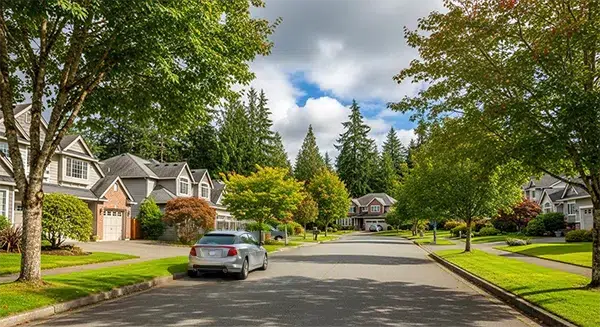
More importantly, Bellevue offers predictability. Buyers moving here are often looking for more space, quieter neighborhoods, stronger school systems, and fewer daily tradeoffs. For many people coming from dense urban markets, that balance becomes more important after the first few months than it does on moving day.
After working with many buyers relocating to Bellevue, moving to Bellevue, and working with a real estate agent in Bellevue, WA, a consistent theme shows up early: the most successful moves are rarely about finding the perfect listing. They are about understanding how neighborhoods function over time, how demand shifts, and how small location choices affect daily life and long-term value.
Bellevue vs. Seattle: Which Is the Better Fit?
This decision deserves clarity, not hype. Both cities offer real advantages, but they support very different lifestyles.
At a Glance: Bellevue vs Seattle for Tech Professionals
| Factor | Bellevue | Seattle |
| Housing Style | Newer homes, more space | Older, denser housing |
| Daily Noise | Lower | Higher |
| Commute Flexibility | Strong for Eastside roles | Varies by neighborhood |
| Walkability | Strong in select areas | Strong in select areas |
| Long-Term Stability | Consistent demand | More variable by area |
Bellevue may be a better fit if you value space, privacy, and quieter surroundings; prefer predictable routines with less traffic congestion; plan to buy and hold for the long term; or want resale stability tied to school quality and consistent buyer demand.
Seattle may be a better fit if you prefer an urban, walk-first lifestyle; enjoy cultural density and historic neighborhoods; expect to rent for a longer period before buying; or are comfortable with higher noise levels and tighter living conditions.
Neither option is universally better. The right choice depends on how you live day to day, not how a city looks on paper.
The Real Cost of Living in Bellevue
Bellevue is not inexpensive, and many relocating buyers underestimate where costs actually appear. Housing prices are only part of the equation. Property taxes, HOA dues in newer developments, utilities, and long-term maintenance all play a role in your total monthly picture.
Even at higher income levels, budget tradeoffs still exist. This is especially true when competing in the most desirable neighborhoods. The buyers who feel most comfortable over time are usually the ones who plan for these costs early, rather than stretching to the top of their budget and hoping everything works out later.
How Easy Is Daily Life in Bellevue?
One of Bellevue’s biggest advantages is efficiency once your routines are established. Light rail expansion has allowed some residents to reduce their reliance on cars, particularly for commuting into Seattle. Living near a station can meaningfully change how a household functions day to day.
That said, transit convenience is highly location-dependent. Proximity to a station does not guarantee ease of use, and this is where expectations often differ from reality. Downtown Bellevue offers genuine walkability to dining, groceries, parks, and fitness options. Many residential neighborhoods, however, trade walkability for quieter streets and easier parking.
A common situation I see: a buyer plans to live car-light, chooses a home based on listings alone, and then realizes that everyday errands add friction they did not anticipate. Matching your location to your actual routine matters more than most people expect.
Do You Need a Car in Bellevue?
The honest answer is that it depends on where you live and how you work. Some buyers intentionally choose homes that support a one-car household, especially with hybrid schedules. Others rely on a car for school drop-offs, errands, and weekend activities. Bellevue accommodates both lifestyles, but not evenly across all neighborhoods.
This is one of the most common pain points when relocations are planned without local context. Understanding your routine before you choose your address can save a lot of daily frustration.
How Long Does It Take to Feel Settled?
Most relocations follow a predictable adjustment curve. The first ninety days tend to be logistics-heavy, focused on housing, commuting, and learning new routines. Around the six- to twelve-month mark, neighborhood fit becomes far more important than initial impressions. This is when buyers either feel grounded or start questioning their decision.
Those who choose locations based on how life actually functions day to day tend to feel settled faster and with far less friction than those who focused only on features or proximity to work.
Neighborhoods Tech Professionals Tend to Prefer
Preferences vary, but patterns repeat. Some buyers prioritize proximity to campuses and transit. Others focus on school quality, privacy, or long-term appreciation potential. Certain neighborhoods appeal to younger professionals, while others attract families planning to stay put for many years.
Choosing based solely on listings often overlooks how neighborhoods perform over time, how buyer demand shifts, and how future development can affect livability and value. This is where local expertise makes a real difference.
How Schools Affect Long-Term Value (Even Without Kids)
Schools play a larger role in Bellevue real estate than many buyers initially expect. Even for households without children, school quality affects demand, resale stability, and how properties perform across market cycles. In many cases, boundary stability over time matters more than individual test scores.
Understanding how school boundaries, long-term consistency, and neighborhood patterns intersect is an important part of making a sound financial decision, not just a lifestyle one.
Buying vs. Renting First: What Actually Makes Sense
Relocation advice often defaults to renting first, but that approach does not always align with a buyer’s goals. In some cases, buying earlier secures long-term value and protects against rising prices. In others, renting offers flexibility while you learn the area. The right choice depends on role stability, compensation structure, family plans, and personal risk tolerance.
Generic advice rarely applies cleanly here. A clear picture of your own situation matters far more than a blanket recommendation.
Planning Beyond Year One: Building in Flexibility
Many tech professionals focus on getting through the move itself and underestimate how quickly priorities evolve after the first year. Career changes, team shifts, family plans, and lifestyle adjustments all influence how long a home remains a good fit.
Choosing a location that supports flexibility, strong resale demand, and multiple exit options can make future transitions far easier. This kind of forward planning tends to matter most in hindsight, which is exactly why it deserves attention upfront.
Common Myths About Moving to Bellevue for Tech Work
Several assumptions come up repeatedly during tech relocations. Here are three worth examining.
The first is that you need to live downtown to enjoy convenience. Not true. Several residential neighborhoods offer strong access to daily needs without the density or price premium of downtown.
The second is that proximity to transit guarantees a car-free lifestyle. Location and transit access are related, but not the same thing. Frequent routes, safe walking conditions, and proximity to your actual destinations all factor in.
The third is that all Bellevue neighborhoods perform similarly over time. They do not. School boundaries, zoning changes, and development patterns create meaningfully different outcomes depending on where you buy.
Common Mistakes Tech Professionals Make During Relocation
Some of the most frequent issues I see include overpaying due to urgency and a compressed decision timeline, choosing locations without understanding nearby development plans, underestimating commute friction across different times of day, and ignoring resale liquidity when evaluating a home.
Another overlooked factor is the emotional shift that occurs around months six to twelve. Once the novelty of a new role and city fades, day-to-day livability becomes far more important than the initial impressions that drove the decision.
What Most Relocation Guides Leave Out
Many relocation resources focus on listings and surface-level amenities. They tend to miss the details that shape long-term satisfaction. School boundaries can shift and directly affect resale value. Construction plans can alter traffic patterns, noise levels, and neighborhood character. HOA costs often rise faster than buyers expect. And transit access does not always equal transit convenience.
These details rarely appear in listings, yet they play a significant role in long-term outcomes.
Five Questions to Ask Before You Choose Where to Live
How often will I actually commute in person? Do I value quiet surroundings or walkability more? How long do I realistically expect to stay? How important is resale flexibility to me? Will daily errands be easy or add friction to my routine?
These questions tend to matter far more than square footage alone.
Why Local Knowledge Matters More Than Listings
For most tech professionals, the real advantage is not access to homes. It is understanding how location choices play out over time. Neighborhood dynamics, zoning changes, buyer demand, and development patterns create very different outcomes depending on where you buy.
This perspective becomes increasingly valuable the longer you plan to own, especially in markets where small location differences can produce outsized results.
Final Thought
Relocating for Amazon or Microsoft is a major step, and choosing the right place to live has a lasting impact on how that move feels months and years down the road. Bellevue can be an excellent choice when it aligns with how you live, work, and plan ahead. Getting clarity early helps reduce stress, avoid costly mistakes, and move forward with confidence rather than urgency.
I am Mark Popach, and I work with many home buyers navigating this exact transition. If you have questions about the area, schools, neighborhoods, or how different locations tend to perform over time, do not hesitate to reach out. I am always happy to help you get a clearer picture before making a decision.